
Radial Mix 2:1 2-channel Passive Mixer
4.8Editor score
Two channel passive mono summing
Simple inputs for mono output
Affordable entry level design
Discover the top analog summing mixers for studio and live use. We compare ten premium models to help you choose the ideal mixer for your setup.
Analog summing mixers bring warmth and depth to digital audio. They combine multiple tracks into a stereo bus using analog circuitry. This process often enhances clarity and punch. A good unit features quality transformers and robust build.
We compared ten top models based on channel count and sound quality. Each entry balances features with real world performance. Our list covers budget friendly units and premium consoles. We highlight key specs for every mixer.
Each pick shows unique strengths for specific workflows. Pros and cons help you weigh tradeoffs. Prices change frequently so verify before buying. Use this guide to find your perfect match.
4.8Editor score
4.8Editor score

5.0Editor score
The table below contrasts key specs for all ten models. It highlights channel counts and unique features. Use this for quick side by side evaluation.




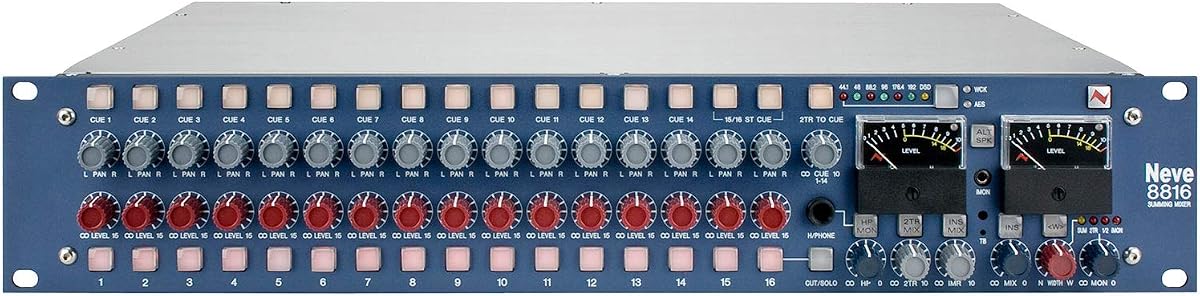
The Neve 8816 stands as a top tier analog summing mixer. It brings classic sound to modern DAWs. Users praise its clarity and depth.
We may earn a commission when you buy through this link, at no additional cost to you.
This unit uses transformer balanced circuits for warmth. The sixteen channel design handles full mixes. Monitoring sections offer versatile routing.
While expensive it delivers studio grade performance. Size may be an issue for small rooms. These tradeoffs suit serious engineers.
Buy this if you need pro results. It remains a reference for many. The sound quality justifies the cost.
Transformer balanced paths ensure minimal noise.
Flexible outputs support diverse speaker setups.
We may earn a commission when you buy through this link, at no additional cost to you.
The Radial Mix 2:1 offers basic summing. It combines two inputs to one output. It is ideal for simple tasks.
We may earn a commission when you buy through this link, at no additional cost to you.
Passive design avoids power needs. Build quality matches Radial standards. Users find it sturdy and effective.
Channel limit restricts complex mixes. It lacks EQ or gain controls. This fits narrow use cases.
Choose this for basic sums. It provides value for cost. Good for demos or submixes.
No power required for operation.
Ideal for beginners or backup routing.
We may earn a commission when you buy through this link, at no additional cost to you.
This 5059 delivers Neve heritage in a satellite unit. It suits those wanting that tone without full desks. Performance is noted for warmth.
We may earn a commission when you buy through this link, at no additional cost to you.
Sixteen inputs allow large projects. Shelford edition adds specific EQ. It connects well to DAWs.
Price is a barrier. Routing complexity may challenge novices. These fit pro studios more.
Invest if you seek that tone. It offers classic flavor reliably. A strong choice for experts.
Recreates classic Neve harmonics.
Fits seamlessly into hybrid studios.
We may earn a commission when you buy through this link, at no additional cost to you.
The Headliner R4 targets DJs with analog control. It offers rotary faders for precise mixes. Filters add sound shaping options.
We may earn a commission when you buy through this link, at no additional cost to you.
Four channels suit live sets. Alps potentiometers ensure smooth operation. Wood panels give a classic look.
Not made for studio summing. Recording connections are basic. This limits DAW integration.
Perfect for club setups. It offers tactile control. DJs will love the feel.
Rotary controls offer precision.
Filters allow creative EQ moves.
We may earn a commission when you buy through this link, at no additional cost to you.
The Mackie Onyx blends analog with USB. It captures tracks while mixing. Preamps are noted for quality.
We may earn a commission when you buy through this link, at no additional cost to you.
Sixteen inputs support bands. USB allows direct recording. Bluetooth helps mobile setup.
Summing isn't its main focus. Digital effects are standard. It suits home studios.
Pick for versatile tracking. It balances cost and quality. Good for small projects.
USB output for easy capture.
Onyx tech ensures clean gain.
We may earn a commission when you buy through this link, at no additional cost to you.
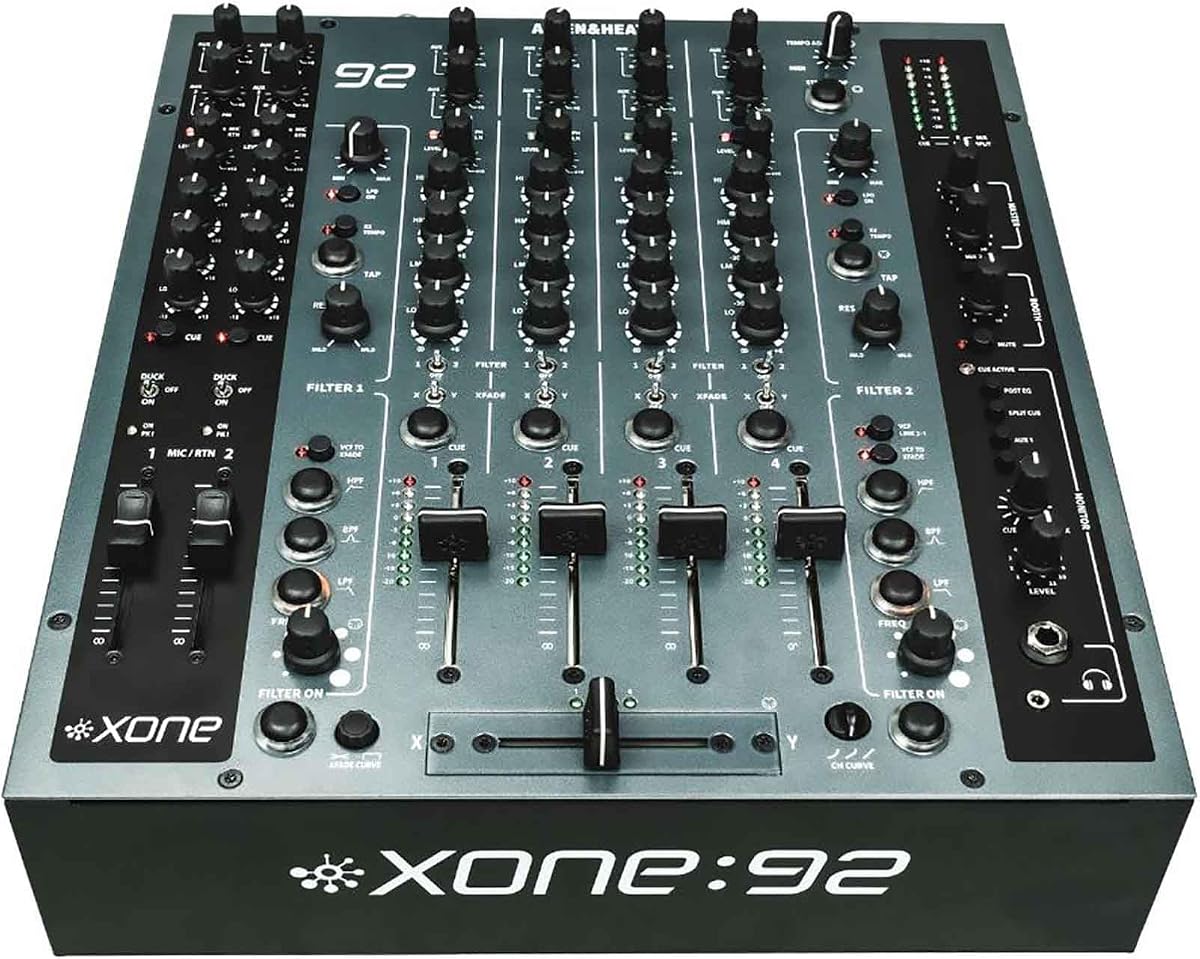
This Xone:92 Mk2 excels at live summing. VCF filters offer distinct textures. It is a favorite for DJs.
We may earn a commission when you buy through this link, at no additional cost to you.
Four channels handle decks well. Send return allows external FX. Build is sturdy.
Not for studio multitracks. Cost is high for summing. It shines in clubs.
Ideal for live sets. Filters allow creativity. Pro users appreciate the depth.
Switchable filters provide variety.
Send returns support external gear.
We may earn a commission when you buy through this link, at no additional cost to you.
The Xone:43 is a compact DJ mixer. Users give it top scores. It handles summing well.
We may earn a commission when you buy through this link, at no additional cost to you.
Voltage filter adds character. Booth outputs aid monitoring. It is small but capable.
Studio use is secondary. Channel count limits complexity. Still great for mixes.
Choose for portable setups. It delivers clarity. Highly rated by pros.
Small footprint for big sound.
Filters help sculpt tone.
We may earn a commission when you buy through this link, at no additional cost to you.
The 1202VLZ4 is a workhorse. It uses Onyx preamps. Users rate it highly.
We may earn a commission when you buy through this link, at no additional cost to you.
Twelve inputs allow recording. Noise is low. EQ is functional.
It lacks deep summing. Basic features limit scope. Still reliable.
Pick for general use. It offers value. Good for budget studios.
Cost effective for quality.
Clean signals for recording.
We may earn a commission when you buy through this link, at no additional cost to you.
The BiG SiX is a hybrid console. It merges analog summing with USB. It is top tier.
We may earn a commission when you buy through this link, at no additional cost to you.
Eighteen inputs allow complex mixes. Master bus compressor adds glue. Sound is premium.
Price limits access. Size is large. It suits top studios.
Invest for top results. It combines analog warmth with digital. A pro tool.
Delivers high fidelity audio.
Master compressor glues mixes.
We may earn a commission when you buy through this link, at no additional cost to you.
The MG10 is entry friendly. It offers D-PRE preamps. Good for small groups.
We may earn a commission when you buy through this link, at no additional cost to you.
Ten inputs allow recording. One knob compressors ease work. Metal chassis is durable.
Limited routing. Basic features. Still solid.
Perfect for beginners. It offers quality. Ideal for small setups.
Simple controls for new users.
Clean sound for sources.
We may earn a commission when you buy through this link, at no additional cost to you.
Selecting the right mixer depends on your needs. We cover key factors to guide you.
Channel count determines how many tracks you can sum at once. Choose based on your typical session size.
More channels allow larger mixes but cost more.
Analog mixers impart unique color. Some offer warmth while others stay clean. Test samples if possible.
Match the color to your workflow needs.
Preamps affect input signal. High gain with low noise is ideal. Check specs for gain range.
Good preamps ensure clean recordings.
Check inputs and outputs. XLR and TRS are standard. Some offer USB for recording.
Ensure it matches your gear.
Durability matters for long use. Metal chassis and quality pots help. Check weight and design.
Robust units last longer.
Look for EQ, filters, and effects. Summing mixers focus on routing. DJ mixers add filters.
Pick features that match your style.
Prices vary widely. Entry units are cheap but lack depth. Premium units offer full studio quality.
Set a budget before buying.
Physical size affects desk space. Large units need racks. Compact ones fit desktops.
Measure your space first.
Connect your DAW outputs to the mixer inputs. Use balanced cables to reduce noise. Ensure levels are optimized.
Use the monitoring section to route outputs. Adjust headphone and main volume. Listen carefully to balance.
Clean pots with contact cleaner. Avoid dust. Keep in dry spaces. Regular care extends life.
An analog summing mixer combines multiple audio channels into a stereo output using analog circuitry. It adds warmth and depth to digital mixes. It is common in professional studios.
Analog summing adds harmonic saturation and stereo width. It reduces digital sterility. Many prefer its natural sound.
Not all mixers focus on summing. Dedicated units offer dedicated buses. Others are for live mixing. Check specs.
Connect DAW outputs to mixer inputs. Send the summed stereo back to DAW. Use high quality cables.
It uses transformers to isolate signals. This reduces noise and hum. It adds classic analog color.
Passive mixers need no power. They are simple and reliable. Active units offer more control.
We explored ten top analog summing mixers for 2026. Each offers unique benefits for different users. The Neve 8816 leads overall.
Consider channel count and budget. Choose based on your sound goals. Hybrid units offer versatility.
Prices fluctuate often. Check current listings. Verify specs. Pick the best for your studio.