
Light Meter Digital Illuminance Meter
4.4Editor score
Measures up to 200,000 Lux
4-digit color LCD screen
Includes temperature measurement
This guide compares the top analog light meter options for photographers and cinematographers, focusing on accuracy, durability, and ease of use.
Finding the right exposure tool is essential for capturing perfect images. An analog light meter offers reliable readings without needing batteries, making it a staple for professionals who value simplicity and precision in their workflow.
We evaluated ten top-rated models based on accuracy, build quality, and user feedback. Our comparison includes classic brands like Sekonic and Gossen alongside modern digital alternatives to help you choose the best fit for your needs.
Each pick highlights unique features and ideal use cases for various shooting environments. Please note that availability and stock levels change frequently, so checking current listings ensures you get the latest version of these trusted tools.
4.4Editor score

4.6Editor score

3.7Editor score
The following table provides a side-by-side comparison of the top ten light meters available today. Review these specifications to understand the unique capabilities and measurement ranges of each device.
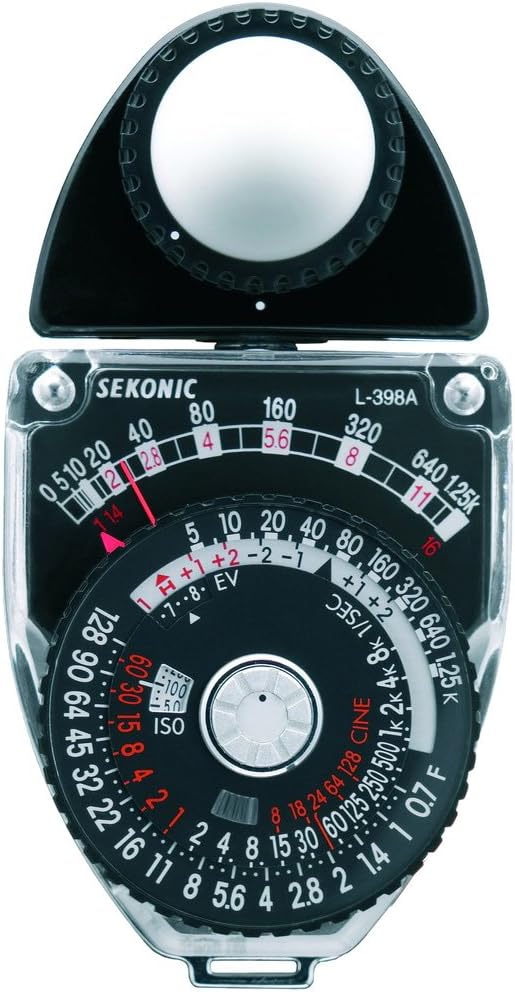


The Sekonic L-398A Studio Deluxe III stands out as a top choice for professionals seeking reliability. It achieves a strong rating due to its ability to function without batteries, ensuring you never miss a shot.
We may earn a commission when you buy through this link, at no additional cost to you.
Its battery-free operation relies on an integrated amorphous photocell that generates power from ambient light. This design eliminates battery anxiety in studio or on-location environments where power sources are scarce.
The full dial readout provides an instant display of aperture and shutter speed combinations. While some may prefer digital screens, this analog calculator allows for quick exposure adjustments without navigating menus.
Photographers and cinematographers who value precision and simplicity should consider this model. It is a proven tool that continues to perform reliably across various professional lighting setups and conditions.
The integrated amorphous photosensor ensures dependable exposure readings anytime in studio or on-location environments without needing spare batteries.
The adjustable head design allows precise positioning of the incident dome while maintaining a clear view of the display for complex setups.
We may earn a commission when you buy through this link, at no additional cost to you.
This digital illuminance meter offers excellent value for those needing basic light measurement without a high price tag. It is ideal for general home or office use where extreme precision is not required.
We may earn a commission when you buy through this link, at no additional cost to you.
It measures luminosity from 0 to 200,000 Lux with a high accuracy rating in standard ranges. The 4-digit color LCD screen ensures readings are easy to read in various lighting conditions.
While it includes ambient temperature measurement, it relies on batteries which may need replacing over time. This trade-off is acceptable given the low cost and versatility of the device.
Homeowners and set designers looking for a practical tool will find this model sufficient. It handles standard lighting checks efficiently and comes with a two-year warranty for peace of mind.
Measures luminosity from 0 to 200,000 Lux and ambient temperature covering diverse needs from offices to factories.
Features a 4 digit color LCD screen with MIN Max readings and data hold for easy monitoring.
We may earn a commission when you buy through this link, at no additional cost to you.
This version of the Studio Deluxe III is a favorite among cinematographers for its simplicity and robustness. It is designed specifically for incident and reflected light readings in professional film environments.
We may earn a commission when you buy through this link, at no additional cost to you.
The swivel head allows you to hold down the metering button and walk the set to check light levels without losing the display view. This feature is crucial for dynamic lighting adjustments on a production set.
Like other analog models, it requires no battery, ensuring it works instantly when needed. The included case and strap add to its convenience for daily travel and storage.
Film professionals who need a reliable handheld tool will appreciate this classic design. It offers a straightforward way to measure light that has stood the test of time in the industry.
The swivel head allows you to hold down the metering button and walk the set to check light levels easily.
Comes with case, strap, Lumidisc, Lumigrid and High Slide for versatile lighting measurement scenarios.
We may earn a commission when you buy through this link, at no additional cost to you.
The MT-92H offers a unique split-sensor design that enables simultaneous measurement and monitoring. This feature sets it apart for users who need to compare two light sources at once.
We may earn a commission when you buy through this link, at no additional cost to you.
It delivers accurate readings from 0 to 200,000 Lux with a resolution down to 0.1 Lux. The instant 0.5-second refresh rates allow you to capture even subtle light changes effectively.
You can toggle between Lux and Foot Candles with a single press, catering to diverse international standards. The ultra-bright switchable backlight ensures readability in total darkness or direct sunlight.
Professionals requiring high precision and flexible measurement units will find this model highly useful. It combines advanced sensor technology with a compact design for versatile professional applications.
The separate probe maintains measurement integrity while allowing flexible positioning for simultaneous monitoring.
Seamlessly toggle between Lux/Fc and Celsius/Fahrenheit for precise illuminance and environmental monitoring.
We may earn a commission when you buy through this link, at no additional cost to you.
This high-precision illuminance meter delivers lightning-fast readings two times per second. It ensures you get accurate light intensity data which is perfect for creating ideal growing environments for plants.
We may earn a commission when you buy through this link, at no additional cost to you.
It features a PEAK data recording function that instantly locks in the highest light pulse value. This is particularly useful for measuring lightning, laser beams, and other brief high-intensity sources.
You can toggle between FC and LUX effortlessly to suit your specific needs. The low battery alert keeps you prepared so you never get caught off guard during critical measurements.
Gardeners and general home users will appreciate its speed and ease of use. It is a straightforward tool that handles indoor and outdoor light checks with reliability.
Delivers accurate light intensity data quickly perfect for creating the ideal growing environment for plants.
Lock in the highest light pulse value with a single press perfect for measuring brief high-intensity sources.
We may earn a commission when you buy through this link, at no additional cost to you.
The Extech LT300 is designed for accurate light measurement with a remote sensor option. It captures reliable Lux and foot-candle readings up to 40,000 lux with high precision.
We may earn a commission when you buy through this link, at no additional cost to you.
Its large backlit LCD display makes readings easy to view in dim areas. The one-handed operation ensures comfort and convenience for both professionals and casual users.
Advanced functions like Min/Max and data hold let you log and compare readings with ease. The high-performance sensor provides accurate measurements in all lighting conditions including LED fixtures.
Facility managers and safety inspectors looking for a portable tool will find this suitable. It combines reliability with features that simplify complex lighting inspections in the workplace.
Includes a remote sensor option to capture light data in hard to reach or hazardous locations.
Cosine and color corrected sensor provides accurate measurements in all lighting conditions.
We may earn a commission when you buy through this link, at no additional cost to you.
This classic ambient light meter and flash meter offers measuring modes for incident or reflected light readings. It provides a digital readout in EV that can be transferred to a setting ring.
We may earn a commission when you buy through this link, at no additional cost to you.
The integrated clock with alarm and timer functions add utility beyond simple light measurement. Users can also get temperature read outs from the device during use.
While it is a vintage model, it still holds value for collectors and those who prefer analog settings. The setting ring allows all shutter speed and f-stop combinations to be read at a glance.
Photographers who enjoy a mechanical feel and precise EV tracking may appreciate this tool. It represents a bridge between classic analog photography and early digital readout convenience.
Digital readout in EV is easily transferred to a setting ring for quick shutter speed and f-stop combinations.
Includes a clock with alarm and timer functions for versatile use during shoots.
We may earn a commission when you buy through this link, at no additional cost to you.
Fluke is a trusted name in industrial measurement, and this model upholds that standard. It serves as an illuminance meter tester designed for reliable and precise light readings.
We may earn a commission when you buy through this link, at no additional cost to you.
The device is known for its high-quality sensor and robust construction. This ensures it can withstand the rigors of industrial and commercial environments where durability is critical.
Users often choose Fluke for its consistency and accuracy in critical tasks. The simple interface makes it easy to use without extensive training for facility inspections.
Facility managers and safety inspectors looking for a brand they can trust should consider this tool. It offers a straightforward and dependable solution for professional light measurement needs.
Built with the trusted quality of Fluke ensuring consistent performance in industrial and commercial settings.
Serves as a dedicated illuminance meter tester for precise and reliable light readings.
We may earn a commission when you buy through this link, at no additional cost to you.
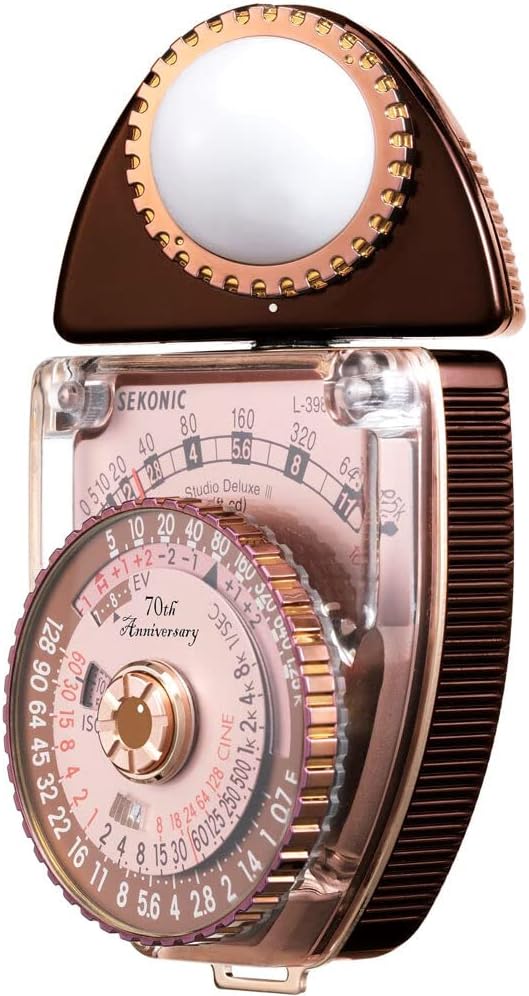
This Anniversary Edition analog light meter celebrates 70 years of the Studio Deluxe III lineage. It is highly rated by users for its instant reading of full range aperture and shutter combinations.
We may earn a commission when you buy through this link, at no additional cost to you.
The premium build quality ensures it is a reliable tool for precise exposure control. It allows users to read shutter speed and aperture combos quickly without digital lag.
While it is a special edition, it maintains the classic functionality that made the original popular. Photographers who value heritage and precision often seek out this limited model.
Those looking for a high-quality analog meter with a special touch should consider this version. It combines history with reliable performance for professional and enthusiast use alike.
A 70th anniversary model that combines premium build quality with classic functionality.
Instant reading of full range aperture and shutter combinations for quick adjustments.
We may earn a commission when you buy through this link, at no additional cost to you.
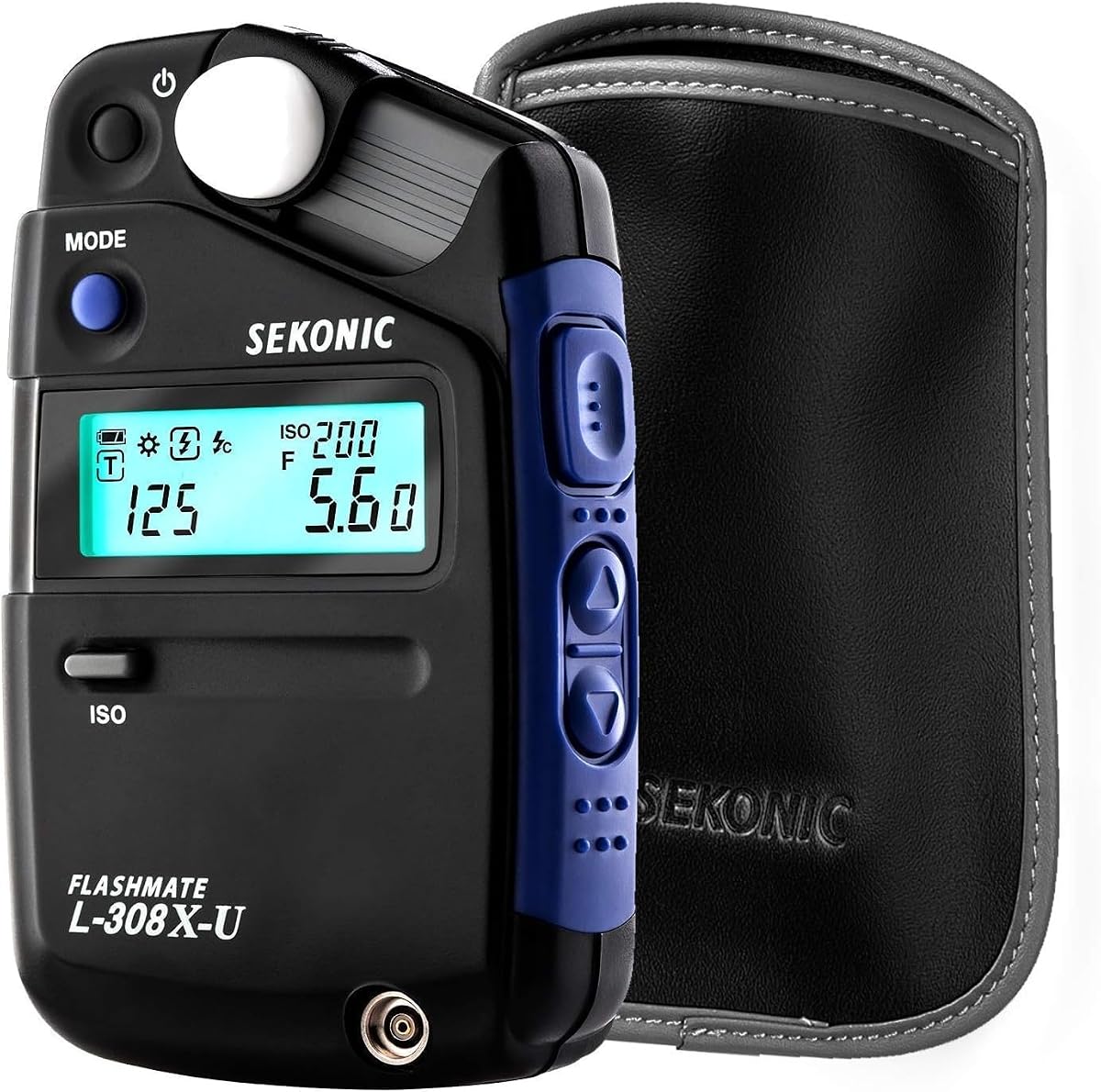
The Sekonic L-308X-U Flashmate is a compact digital incident and reflected exposure meter. It offers exposures accurate down to a tenth of a stop for both ambient and flash readings.
We may earn a commission when you buy through this link, at no additional cost to you.
It includes Photo, Cine, and HD Cine modes tailored for different shooting needs. Videographers can control light using shutter speeds and frame rates with one-tenth stop accuracy.
The pocket-sized design makes it easy to carry anywhere. The LCD auto backlight ensures readings are clear even in low light conditions.
Photographers and videographers who need precision on the go will find this model ideal. It bridges the gap between traditional light measurement and modern digital controls effectively.
Perfect for DSLR and mirrorless videographers who need to take exposure readings and control light using frame rates.
Compact and portable design for easy carry anywhere without bulk.
We may earn a commission when you buy through this link, at no additional cost to you.
Selecting the right light meter requires understanding your specific photography needs. This guide covers the essential factors to consider when comparing models.
Consider whether you need incident or reflected light readings. Most professionals benefit from devices that support both modes for versatility.
Choose a meter that handles both incident and reflected light to adapt to any shooting scenario.
Analog models often use amorphous photocells to avoid batteries. Digital units typically rely on replaceable or rechargeable cells.
Decide if battery-free operation is worth the trade-off of analog displays.
Check the lux range and accuracy specifications. High-end tools offer better resolution for fine adjustments.
Prioritize higher resolution for professional work where small changes matter.
Dials provide quick analog insights while screens offer detailed data. Backlights help in low light conditions.
Ensure the display is readable in your typical working environments.
Look for robust construction and protective covers. Field work demands equipment that can withstand drops.
A durable build ensures the tool survives daily travel and use.
Additional modes like Cine or Photo help tailor the meter to your genre. Some include temperature or PEAK recording.
Select features that match your specific photography or videography needs.
A lightweight design makes a big difference for on-location shoots. Pocket-sized options are ideal for quick checks.
Choose a size that is easy to carry without slowing you down.
Included accessories like straps or cases add value and protection. Professional kits often include diffusers or grids.
Check if essential accessories are included or must be bought separately.
Position the sensor or dome towards the light source to get accurate incident readings. Ensure there are no shadows blocking the sensor.
Store the device in a protective case when not in use to prevent physical damage or dust accumulation.
Regularly clean the sensor surface with a soft cloth to maintain reading accuracy over time.
Many analog light meters use amorphous photocells that generate power from ambient light, so they do not require batteries. However, digital models typically rely on replaceable batteries for operation.
Incident meters measure the light falling on the subject while reflected meters measure light bouncing off the subject. Professional photographers often need both for precise exposure control.
Consider your typical shooting environments. High lux ranges are needed for bright outdoor work while indoor studios usually require lower ranges.
Digital meters offer detailed data and modes but analog ones provide simplicity and battery-free operation. The best choice depends on your specific needs.
Some specialized models can measure electronic flash exposure. Check the product specifications to confirm flash capability before purchasing.
Keep the sensor clean with a soft cloth and store the device in a case. Avoid exposing it to extreme temperatures or moisture.
With proper care, a quality light meter can last for many years. Regular maintenance and careful handling extend its operational life significantly.
Accurate readings ensure proper exposure which is critical for image quality. Poor accuracy can lead to under or overexposed shots requiring retakes.
We reviewed ten excellent options ranging from classic analog designs to modern digital tools. The top picks offer a balance of reliability and advanced features for any professional.
Prioritize factors like power source and display readability to find the best fit. Consider the specific needs of your photography or cinematography work.
Remember to check current listings before buying to confirm availability and details. Our guide remains a useful reference for selecting the right tool today.